

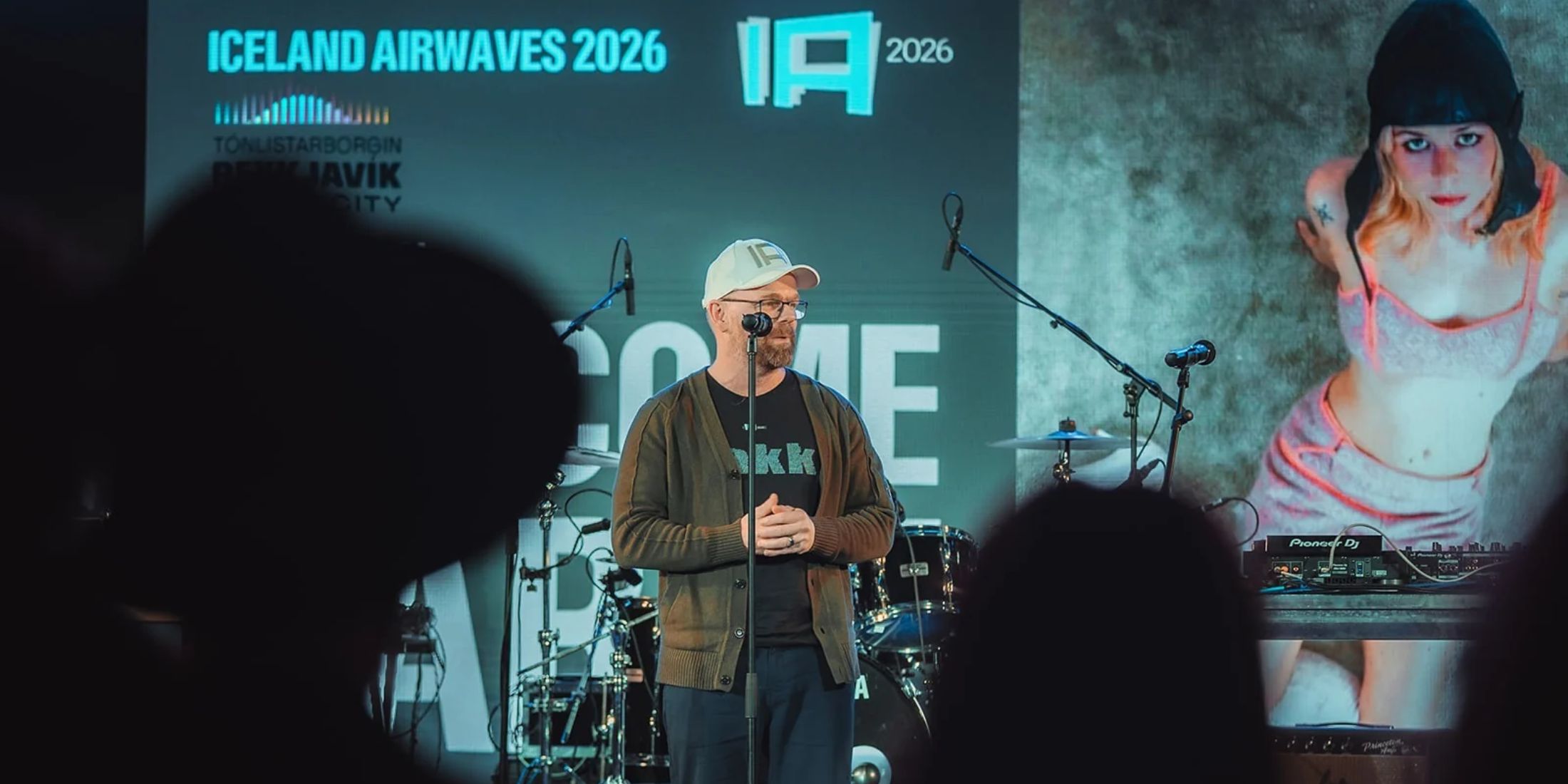
With fewer than 400,000 people and a location far from Europe’s major music centres, Iceland has managed to make its music heard around the world for decades. How has it achieved this, and what can Croatia learn from its example? The We Move Music Croatia delegation had the opportunity to explore these questions at Iceland Airwaves 2026, a festival and conference in Reykjavík that brings together artists and music industry professionals from around the world.
Iceland Airwaves is not only a place to discover new artists but also an important meeting point for the international music industry. This year’s conference addressed a range of pressing issues, from the visibility of smaller music markets and languages on global streaming platforms to the importance of human curation in an age of algorithms. Discussions also covered the future of showcase festivals, sustainability in the live music sector, and the impact of emerging technologies and artificial intelligence.
Festival booking from the decision-makers’ perspective
One of the conference highlights was Yes, No, Not Yet – Inside the Festival Booking Room, an interactive panel featuring Mirko Burazer, representing Croatia’s SHIP Festival. He was joined by representatives of The Great Escape, Reeperbahn Festival, by:Larm and MaMA Music & Convention, who were presented with hypothetical Icelandic artists and asked to decide whether they would book them for their festivals. As the scenarios evolved, so did their decisions, giving the audience practical insight into how bookers make their choices and the challenges of putting together a festival line-up.

An important part of Iceland Airwaves also took place outside the conference rooms. Through organised Speed Networking sessions and informal meetings, the WMMC delegation connected with Icelandic artists, local music industry professionals and international colleagues. Particularly valuable were the opportunities to meet professionals from the United States and the United Kingdom, two major music markets with a strong presence at Iceland Airwaves. Conversations with festival organisers, booking agents, promoters and media representatives opened up discussions about future collaborations and ways to introduce Croatian artists to new audiences.
Iceland’s music export model and what Croatia can learn from it
Iceland shows that a small domestic market and geographical distance need not stand in the way of international success. But Icelandic music’s international recognition is not down to successful artists alone. Long-term support for the local music scene, consistent promotion and sustained relationships with international industry partners have also played an important role.
Conversations with representatives of Iceland Music and local music professionals gave WMMC a closer look at how Iceland supports its music scene and helps artists reach international audiences. While the two countries differ in many ways, they share some of the challenges that come with a small domestic market, making Iceland’s experience particularly relevant to Croatia’s own music export efforts.
Photos: Ingibjörg Friðriks