

The East European Music Conference (EEMC) took place in Bucharest from May 20th to 24th, bringing together European promoters, agencies, festival directors, and policy makers. Through workshop sessions with the European Commission and panels dedicated to urban infrastructure, key live music industry stakeholders delivered new guidelines for the salvation of independent music venues and cross-border artist mobility.
This year’s EEMC program focused on the structural fragility of independent clubs that support emerging artists, as well as the impact of big platform monopolies on festival and ticketing infrastructure. On behalf of the We Move Music Croatia office, the conference was utilized for active participation in shaping regional and European recommendations, and for strengthening relationships with key partners from Eastern and Central Europe.
Joint Pressure Toward Brussels: Workshop with the European Commission
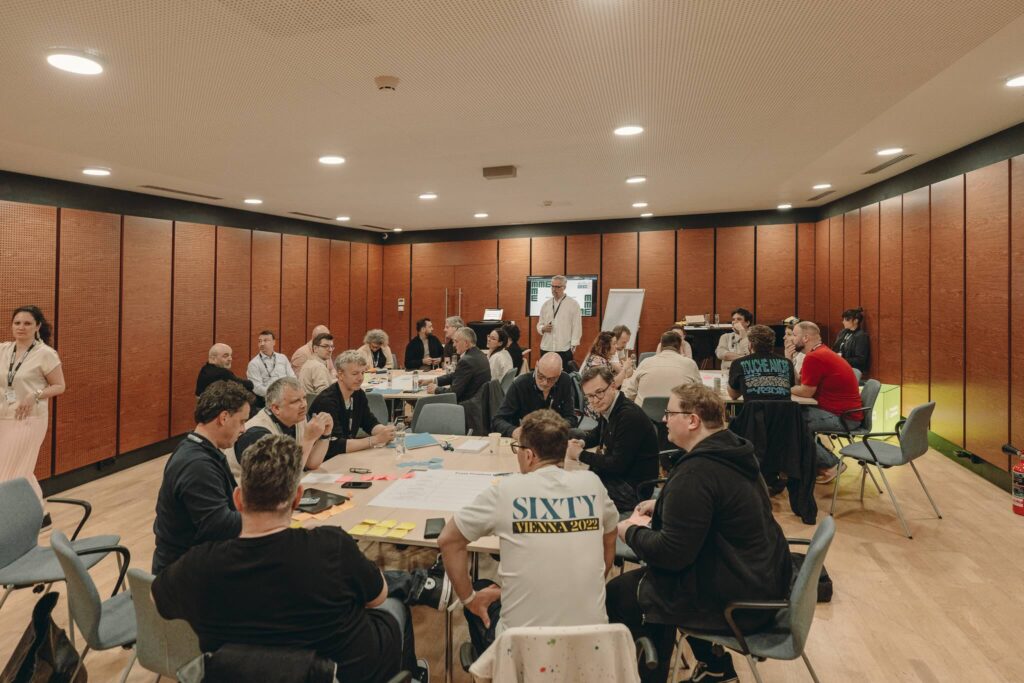
One of the most important operational segments of the conference was dedicated to direct dialogue with the European Commission representative within the Music Moves Europe platform. The collaborative workshop brought together networks, clubs, and festivals from Central and Eastern Europe to articulate concrete boots-on-the-ground needs toward European cultural strategies.
Through group work and discussion, a package of recommendations was defined to serve as an official foundation for upcoming strategic dialogues in Brussels. The discussions emphasized the necessity for urgent, long-term investments in the independent sector, simplifying administrative processes for cross-border artist mobility, and launching a new European support mechanism for small and medium-sized music venues suffering the heaviest economic pressure.
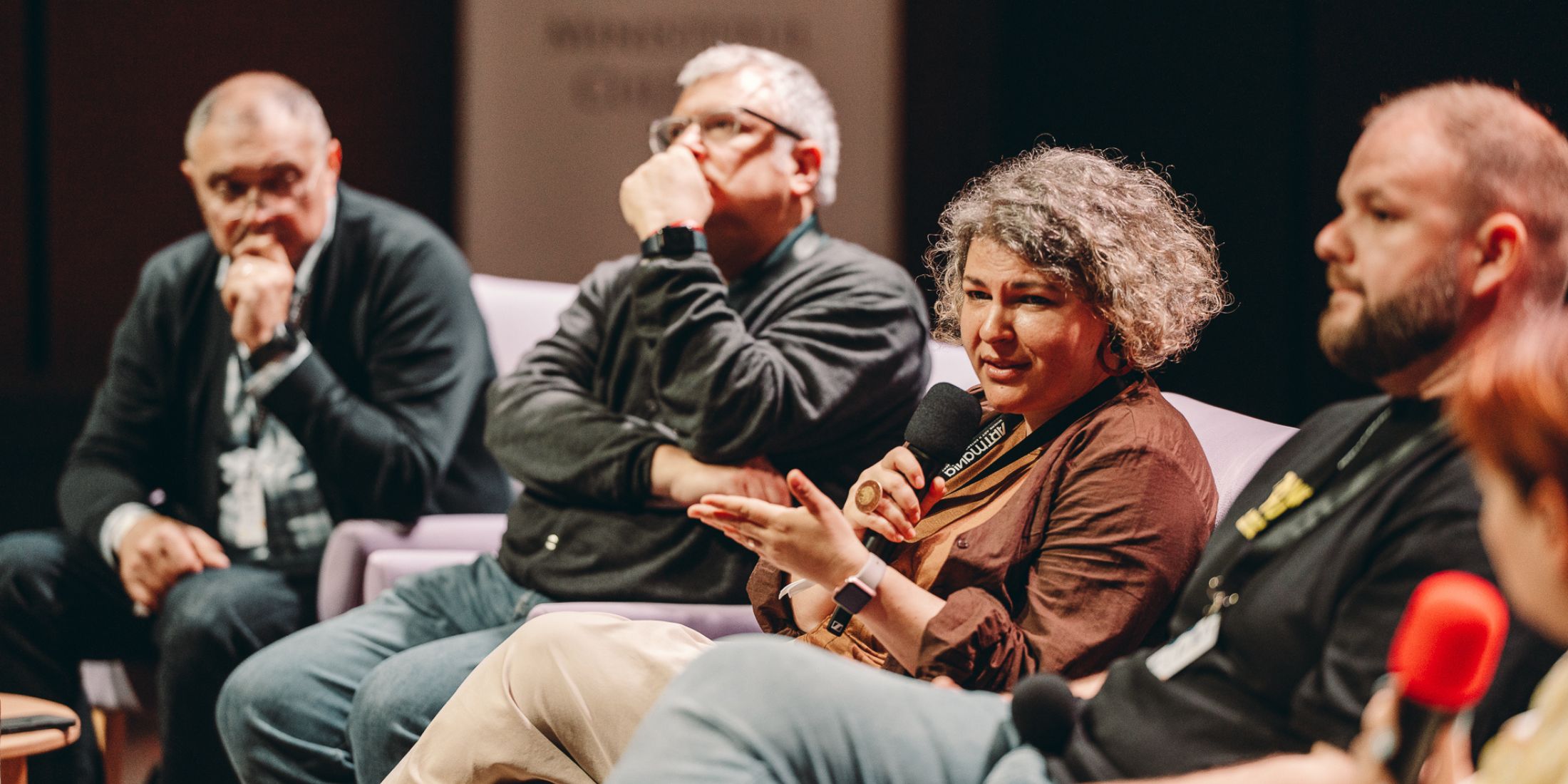
Clubs as the Foundation of the Scene: “Music Venues and the City” Panel
Mirko Burazer, the WMMC International Project Manager, participated as a speaker on the panel “Music Venues and the City”. The debate focused on the survival of club infrastructure within modern urban environments.
Music venues were mapped out as essential hubs for developing emerging artists and strengthening local communities. However, they were also recognized as the most vulnerable part of the ecosystem due to soaring overhead costs, gentrification pressures, and urban zoning redevelopments. The main conclusion of the panel calls for the urgent implementation of permanent communication channels between music organizers, trade offices, and city administrations, ensuring clubs receive formal and legal protection within local cultural policies.